News
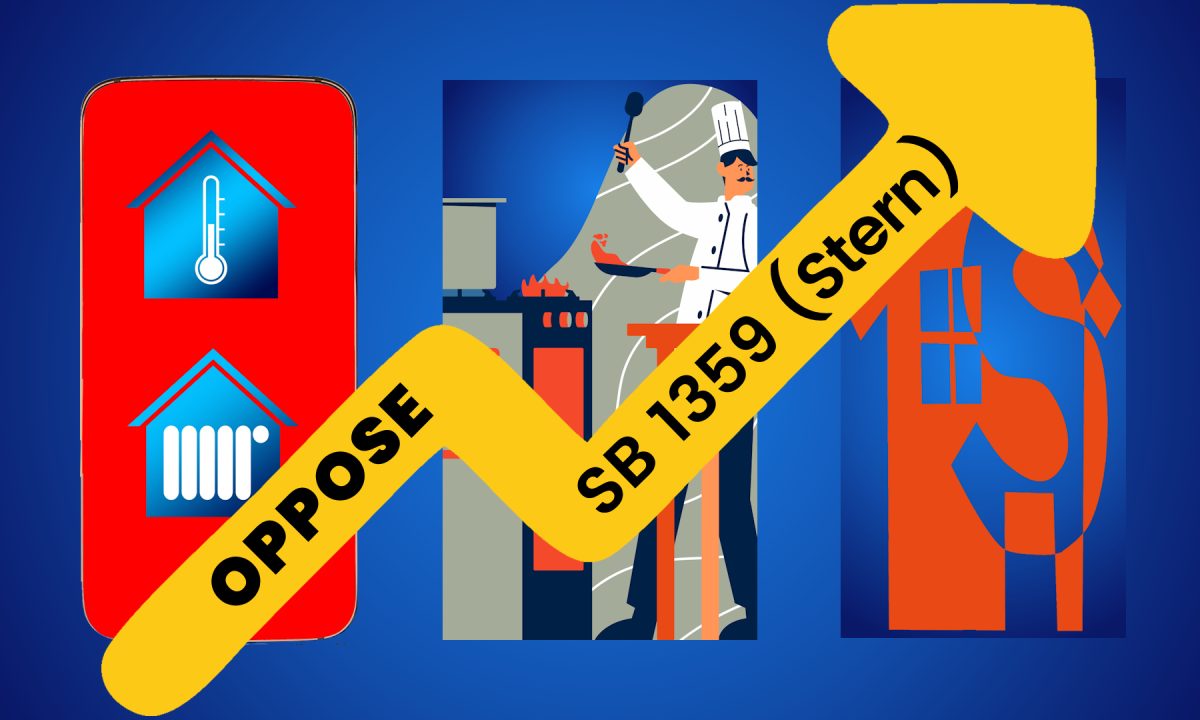
SB 1359 (Stern) – WE OPPOSE
Letter to Members of the Senate Energy, Utilities and Communications Committee
On behalf of EconAlliance, an organization with a 14-year track record of championing sound economic policy, I am writing to express our formal opposition to SB 1359.
Our mandate is to ensure that regional and state policies foster a resilient economy while protecting the interests of our diverse workforce and local industries. Based on our extensive experience analyzing policy impacts on low-income and disadvantaged populations, we believe SB 1359, as currently drafted, will trigger regressive economic consequences and destabilize the energy security of those who can least afford it.
1. Disproportionate Economic Burden on Vulnerable Populations
SB 1359 risks creating a “cost spiral” for natural gas service. By early decommissioning of gas infrastructure, the bill leaves a shrinking pool of remaining customers to shoulder the fixed costs of the system.
Furthermore, the requirement for new applicants to pay full extension costs and decommissioning surcharges after 2030 acts as a regressive tax on new construction, further inflating the cost of living and undermining local equity initiatives.
2. Threat to Industrial Stability and Essential Services
Many homes and businesses — especially restaurants, hospitals, manufacturers, and small businesses — depend on natural gas to operate safely and reliably. Losing access to gas would raise costs, disrupt operations, and threaten jobs.
3. Erosion of Energy Sovereignty and Choice
EconAlliance advocates for a “balanced portfolio” approach to energy. SB 1359 strips away energy options and limits the ability of small businesses to remain competitive. It also restricts the autonomy of families trying to manage their monthly utility overhead.
4. The Risk of Stranded Assets and Premature Transition
SB 1359 can lead to significant “stranded assets”—infrastructure that becomes economically obsolete before the end of its useful life. This lack of a “glide path” for decommissioning risks litigation and investment losses.
Conclusion
California’s transition to a clean energy future must be equitable, orderly, and economically viable. SB 1359 fails this test by ignoring small businesses, renters, and low‑ and middle‑income households struggling to make ends meet. Based on our study, we respectfully urge you to Oppose SB 1359 to protect the residents and industries of California from these unintended, yet predictable, hardships.
Respectfully,
John Fowler
CEO, EconAlliance